Knowledgebase
STDs & HIV Guide
STDs, HIV & AIDS
Clear, practical information on common sexually transmitted diseases (STDs), including Chlamydia, Gonorrhea, Herpes, Hepatitis, Syphilis, Trichomoniasis, and HIV.
Understand how these infections are transmitted, their possible symptoms, recommended testing window periods, and how screening works.
HIV is a virus that can progress to AIDS if left untreated. Early screening supports informed decisions and timely access to medical care.
All content is provided for educational purposes. Screening tests are for detection only and do not constitute a medical diagnosis. Any reactive result should be followed by confirmatory laboratory testing.
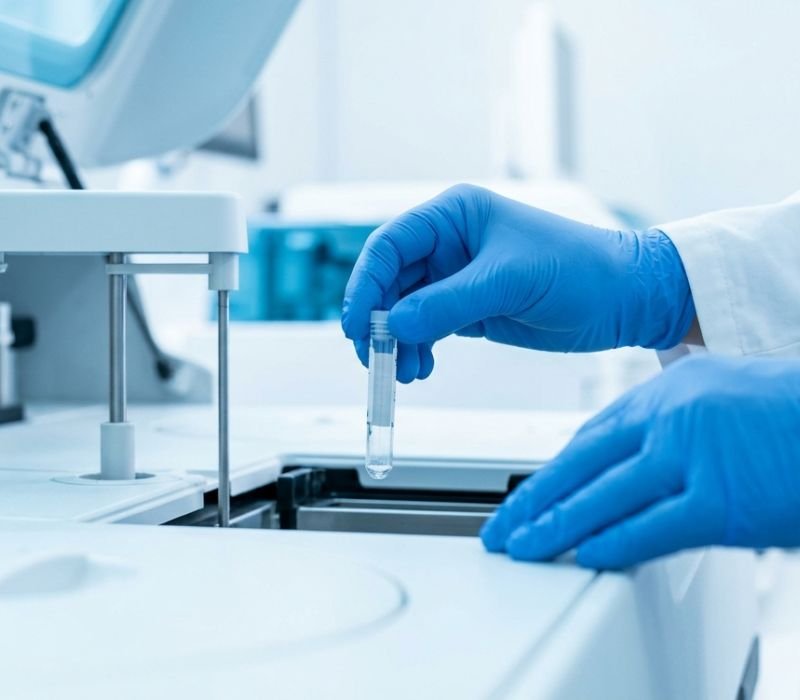
Know Your Sexual Health
Understanding Sexual Health & Testing Information
Sexual Health Basics
Sexual health means understanding STDs, HIV, and AIDS, along with prevention, protection, and routine screening to make informed health decisions.
Recognising Symptoms and Risk
Some infections cause symptoms while others do not, so regular screening is important for early detection after possible exposure.
How Screening Tests Work
Screening tests detect infection markers and vary by condition; they are for detection only and reactive results require confirmatory testing.
When to Consider Testing
Testing is recommended after potential exposure, but window periods can affect accuracy; repeat testing or medical guidance may be needed.
Sexual Health Awareness
Why Sexual Health Education Matters
Early Awareness Protects You
Understanding sexual health helps you reduce risk and take action early. Early testing supports better outcomes.
Not All Infections Show Symptoms
Some STDs and HIV may not cause obvious signs. Feeling “fine” does not always mean infection-free.
Testing Works, When Done at the Right Time
Screening detects signs of infection. Testing too early may affect accuracy due to the window period. Screening is not a diagnosis. Reactive results must be confirmed by laboratory testing.
Knowledge Reduces Fear
Clear information helps reduce stigma and misinformation. Informed decisions support safer and healthier lives.
After Your Test
What To Do After Your Test
If your result is reactive, seek confirmatory testing with a certified healthcare professional.
If your result is non-reactive but you have concerns about recent exposure, consider follow-up testing based on medical advice.
HIV is manageable with proper treatment. Early awareness and professional care make a difference.
Get In Touch
Knowledge Is Power. Protect Your Health.
Understand the facts. Know your risks. Take the next step with confidence.
Explore clear guidance on STDs, HIV, AIDS, and sexual health screening. If you have concerns, seek appropriate testing and professional medical advice.
F.A.Q
Frequently Asked Questions
Do you have any questions?
Our team is here to help with any questions about our self-screening kits or your order.
What is the difference between HIV and AIDS?
HIV is a virus that attacks the immune system. If left untreated, it can progress to AIDS, which is the advanced stage of HIV infection
Can HIV be transmitted through casual contact?
No. HIV is not spread through hugging, sharing food, or saliva
How do screening tests work?
Screening tests detect markers of infection. They are not a medical diagnosis
What should I do if my result is reactive?
A reactive result should be confirmed with laboratory testing and consultation with a certified healthcare professional
Can I test too early after exposure?
Testing too early may affect accuracy. Follow recommended timing guidance